
01
Optical control
Beam shaping designed to place useful light accurately and reduce unwanted spill.
Ostroluxx technology focuses on optical control, consistent colour, efficient LED performance and practical project flexibility.
From the source and optics to control and thermal management, performance depends on how the complete product works together.
Beam shaping designed to place useful light accurately and reduce unwanted spill.
Deep source positions, shielding and balanced brightness for comfortable viewing.
Modern light sources designed to deliver useful output with reduced energy demand.
Product structures that support stable operation and consistent long-term performance.
Flexible switching and dimming possibilities for different project requirements.
Construction and ratings selected to support interior and exterior environments.
The best technical lighting supports the design intent quietly. Compact forms, controlled beams and coordinated finishes help the product belong in the architecture.
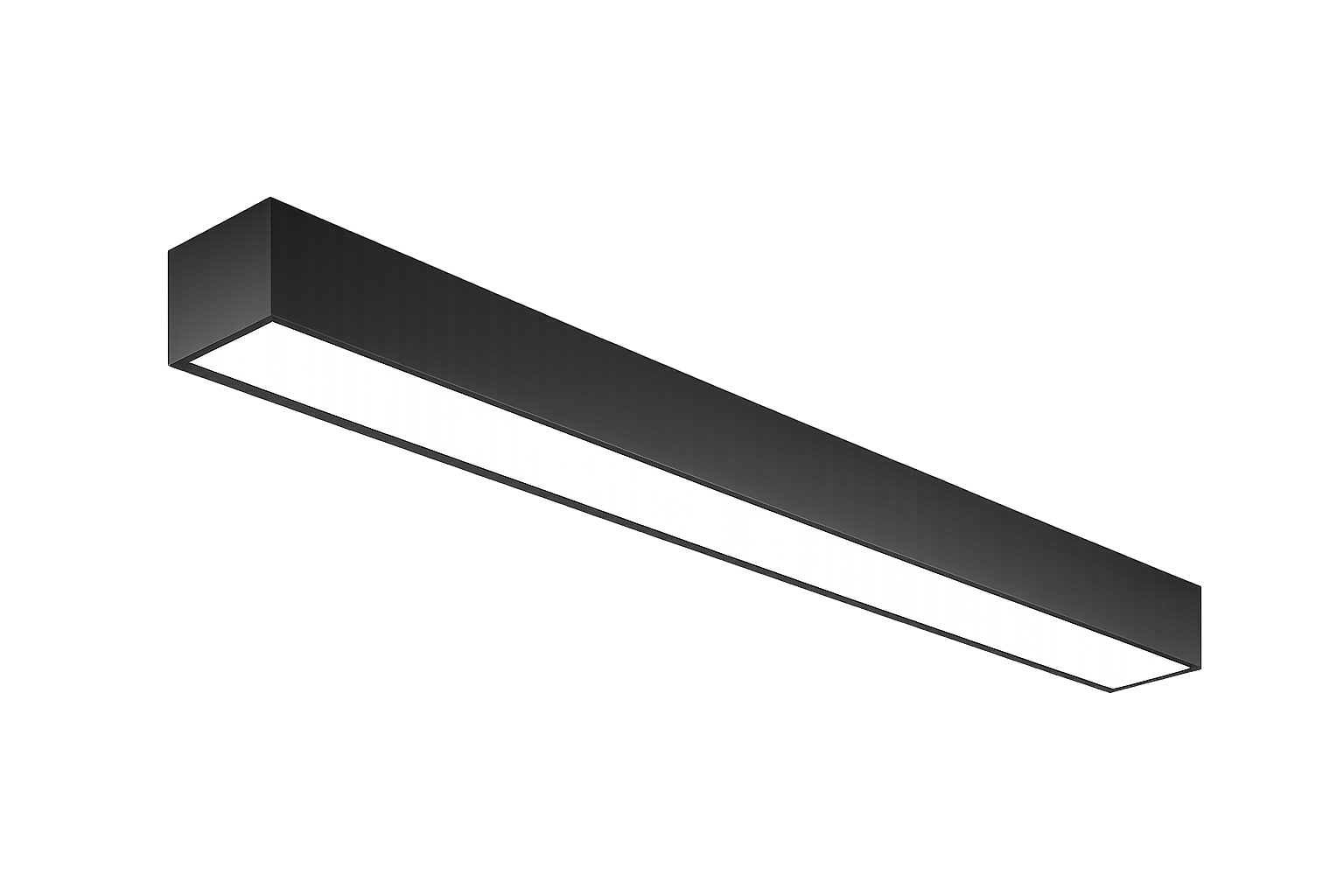
This conceptual simulator explains two core specification decisions. Exact photometric performance is model dependent.
Adjust the controls to see the beam widen, narrow and shift from warm to cool light.
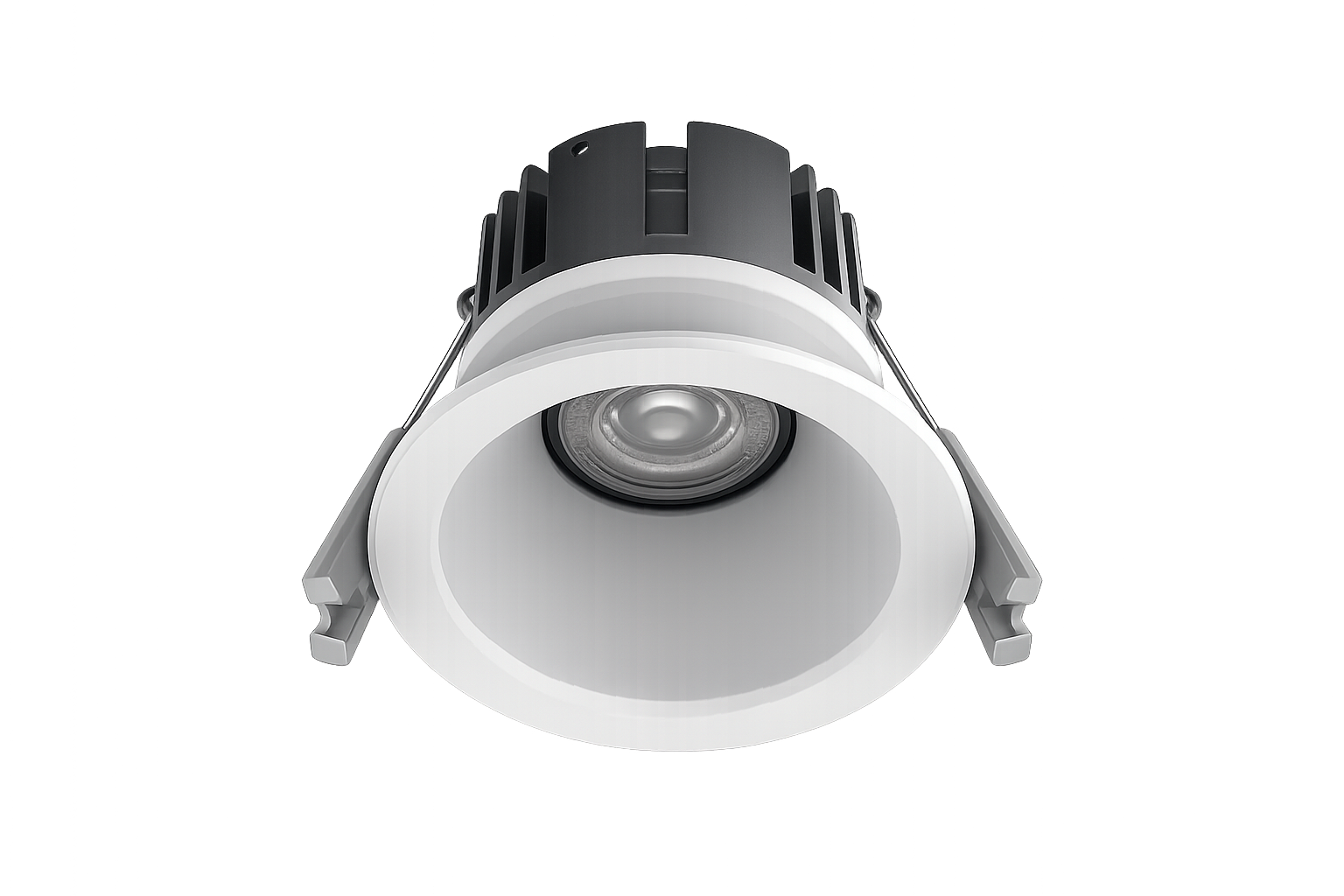
Confirm power, output, colour temperature, colour rendering and consistency.
Review beam distribution, shielding, cut-off and visual brightness.
Check compatibility, dimming range, flicker expectations and system protocol.
Validate thermal design, dimensions, mounting, finish and protection.
CCT describes whether white light appears warm or cool. CRI describes how faithfully colours appear under that light compared with a reference source.
Beam angle changes coverage, intensity and contrast. A narrow beam is useful for focused accents; a wider beam provides broader and softer illumination.
Confirm the driver type, control protocol, minimum dim level, load compatibility and any project-specific flicker requirements.